
Carcase Kitchen profile
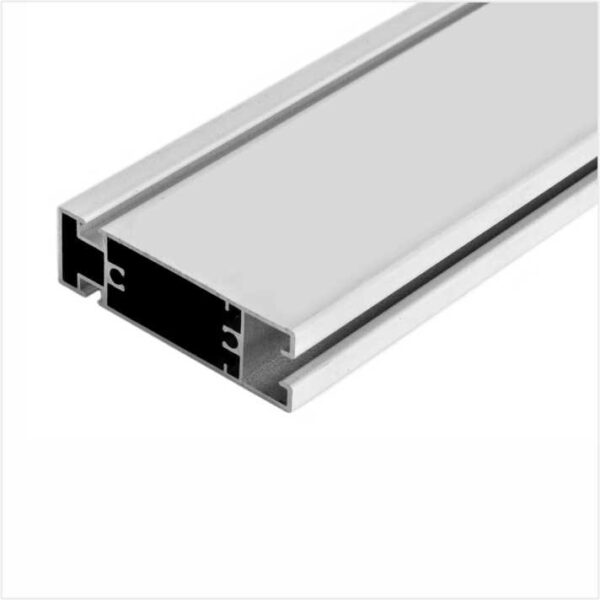
A kitchen carcase (or carcass) is the foundational, box-like structure or framework of a cabinet to which doors, drawers, and hinges are attached. It functions as the "skeleton" of the kitchen, providing stability, supporting countertops, and enabling efficient storage.
Key Components & Specifications
- Structure: Consists of base panels, side panels, a back panel, and shelves.
- Dimensions: Typical base carcases are 720mm high, often raised 150mm on adjustable legs, and are 570mm deep to accommodate plumbing and electrical voids.
- Thickness: Commonly manufactured using 16mm or 18mm board for stability, with 8mm or 3mm back panels.
- Edges: All exposed edges are generally sealed with 2mm PVC edging to enhance durability and moisture resistance.
Common Materials
- Melamine Faced Chipboard (MFC): An affordable, durable, and standard choice, often used in high-quality, dense forms to prevent warping.
- Plywood: Known for high strength and superior moisture resistance, making it ideal for high-humidity areas.
- Aluminium/Stainless Steel: Used for maximum durability, heat resistance, and water resistance, often in modern or professional-style kitchens.
- MDF/HDF: Used for a smooth, stable finish, often in painted kitchen designs.
Features & Benefits
- Stability & Strength: Engineered to resist warping and hold heavy, daily-use items.
- Customization: Available in various colors (often white, grey, or wood-effect) and sizes to fit specific designs.
- Easy Installation: Often pre-assembled with drawers and hinges, or provided as flat-pack units.
- Moisture Resistance: High-quality carcasses are designed to withstand leaks and high humidity, particularly in the base units.
Types of Carcases
- Base Units: Positioned on the floor to support worktops.
- Wall Units: Mounted on walls, often 300mm-330mm deep.
- Tall/Larder Units: Used for oven housing or high-volume storage.